


Wayanad Height From Sea Level: Elevation, Peaks, Climate & Travel Guide
What Is the Wayanad Height From Sea Level?
Wayanad is one of Kerala’s most iconic hill districts—renowned for its lush forests, spice plantations, scenic valleys, and misty peaks. A key question for travelers and geography enthusiasts is: “What is the Wayanad height from sea level?”
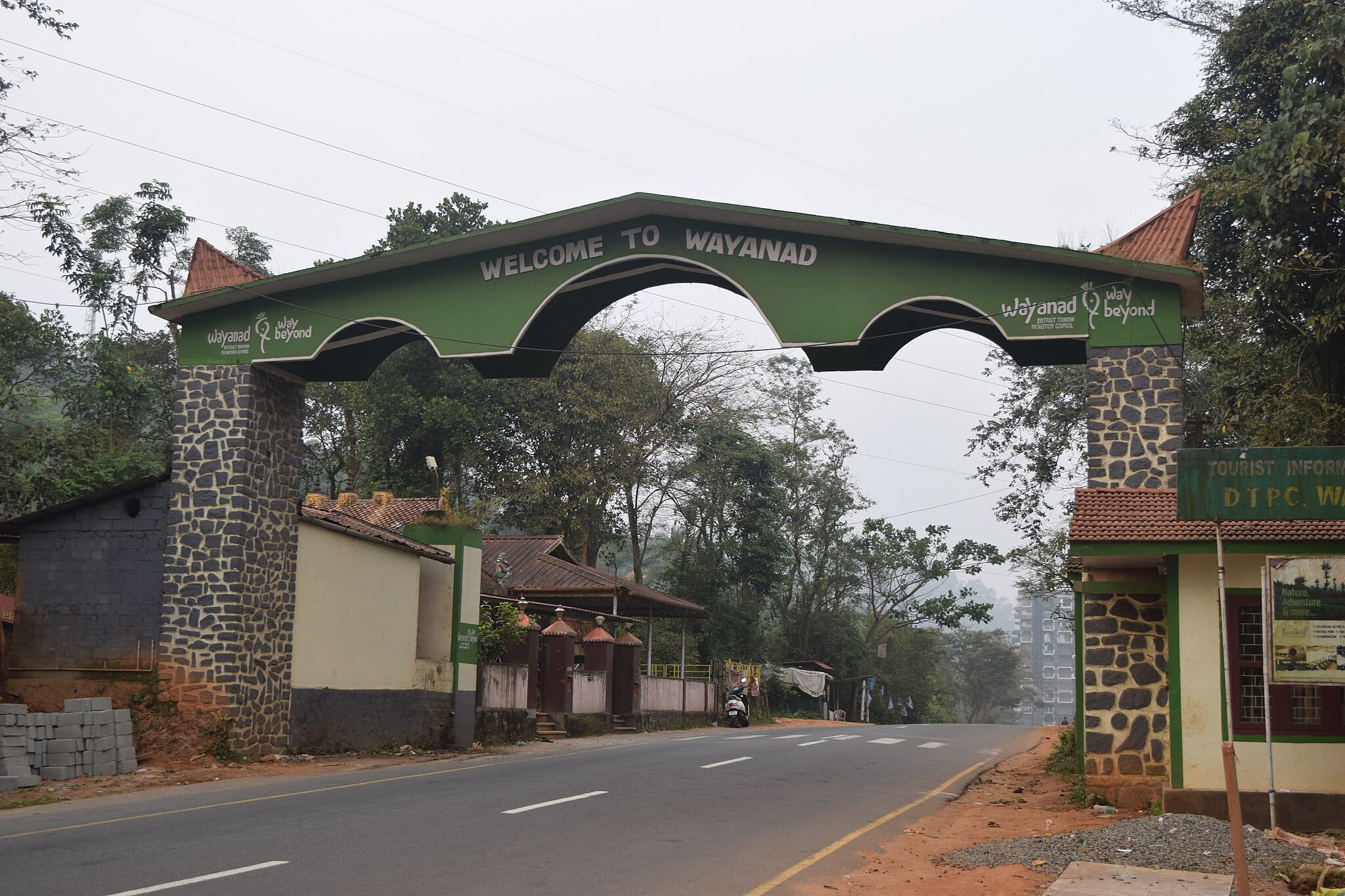
Wayanad lies on a high plateau in the Western Ghats, with elevations ranging between about 700 meters and 2,100 meters above mean sea level. This diverse elevation contributes to its cool climate, rich biodiversity, and breathtaking landscapes. Wayanad
Elevation of Wayanad: A Detailed Overview
General Elevation Range
Wayanad’s terrain varies significantly:
Lowest Areas: Around 700 m above sea level, especially near foothill regions and valley plains. Wayanad
Plateau & Mid-Elevation Zones: Most of the inhabited hill areas lie between 900 m and 1,600 m. MY WAYANAD
Highest Points: Up to approximately 2,100 m above sea level on major peaks like Chembra Peak. Wikipedia
This range makes Wayanad unique among South Indian hill districts, blending deep valleys with high mountain ridges.
Official government info on Wayanad’s elevation: wayanad.gov.in — “It is a picturesque plateau situated at a height between 700 meters and 2100 meters above the mean sea level.” Wayanad
Why Wayanad Height From Sea Level Matters
Climate Impact
Elevation dramatically influences Wayanad’s weather:
Cool and Pleasant Climate: Higher regions are cooler than the lowlands, with temperatures often between 12 °C and 25 °C. MY WAYANAD
Monsoon Rains: Elevated terrain causes significant rainfall, adding to lush forests and scenic waterfalls across the region. Wayanad
Overall, the range of elevation is key to Wayanad’s appeal as a year-round travel destination.
Biodiversity & Ecology
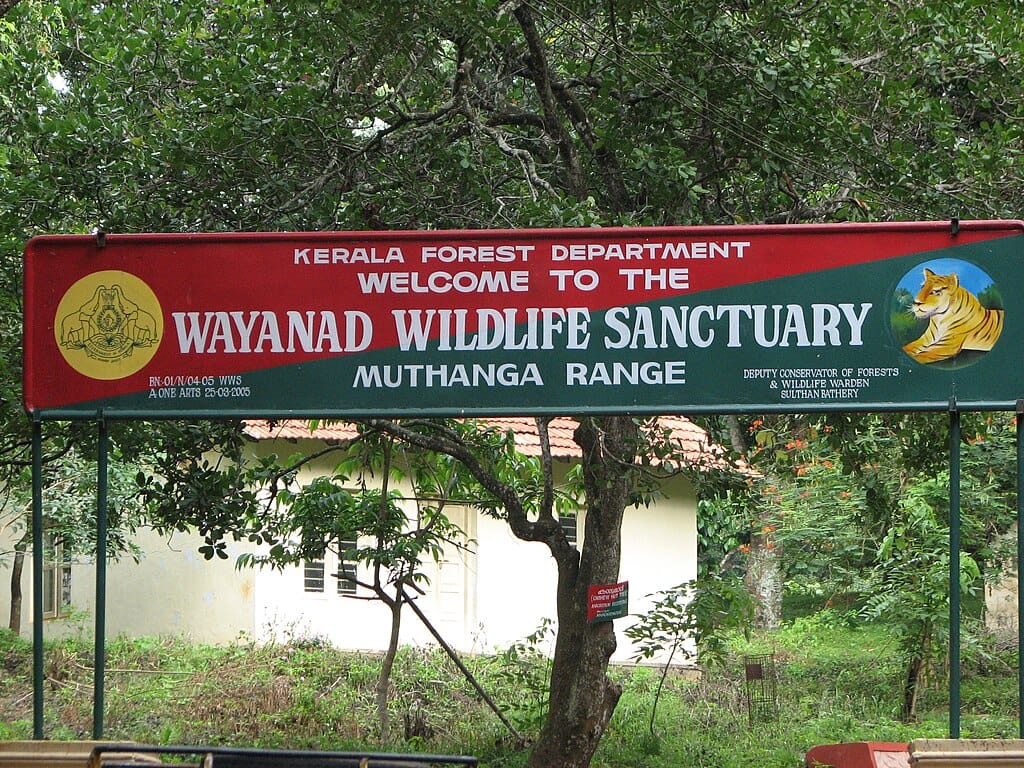
Wayanad’s varied elevation supports rich ecosystems—from tropical forests in lower hills to montane grasslands at higher altitudes. The district’s national parks and wildlife sanctuaries benefit from this range, hosting elephants, tigers, deer, and rare birds. Wayanad
Trekking & Adventure
Elevation gives rise to excellent trekking destinations:
Chembra Peak (2,100 m): One of Wayanad’s most sought-after treks with stunning views of the plateau. Wikipedia
Banasura Hill (2,073 m): Another high peak in the Western Ghats range within Wayanad. Wikipedia
Kurumbalakotta Hill (991 m): Offers panoramic views of the plateau and is popular with nature hikers. Wikipedia
These varied altitudes create distinct trek experiences ranging from moderate to challenging.
Major High Points in Wayanad
Here are key elevation highlights across the district:
| Location / Peak | Approx Elevation | Notes |
|---|---|---|
| Wayanad Plateau | 700–2,100 m | General elevation range of the district. Wayanad |
| Chembra Peak | ~2,100 m | Highest peak in Wayanad hills. Wikipedia |
| Banasura Hill | ~2,073 m | One of the tallest in the Western Ghats within Wayanad. Wikipedia |
| Kurumbalakotta | ~991 m | Popular hillock with scenic views. Wikipedia |
| Pookode Lake Area | ~770 m | Freshwater lake nestled amidst hills. Wikipedia |
| Lakkidi Ghat Pass | ~700 m | Gateway to Wayanad plateau. Namshi’s Wayanad tourist taxi services |
How Elevation Affects Travel & Tourism
Best Time to Visit Wayanad
Because of its elevation, Wayanad is attractive in all seasons:
Winter (Dec–Feb): Cool and pleasant, ideal for nature walks.
Summer (Mar–May): Mild compared to lowland plains.
Monsoon (Jun–Sep): Lush green landscapes and waterfalls.
The elevation keeps the climate temperate and appealing year-round.
Accessibility & Terrain
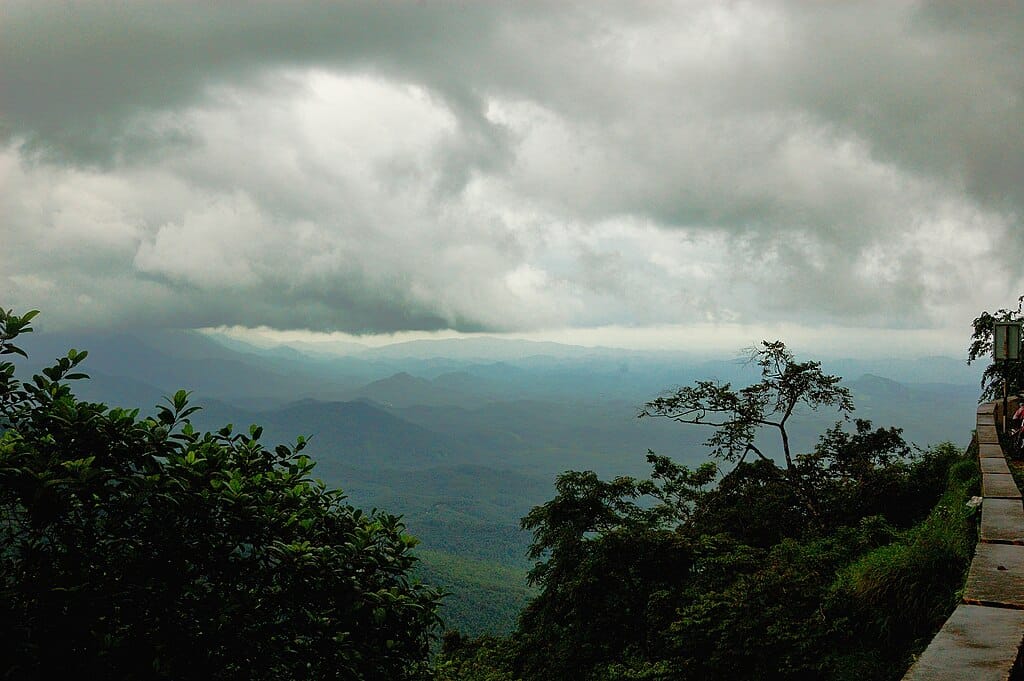
Wayanad’s plateau is accessed via ghat roads with scenic hairpin bends rising from lower elevations to the elevated plateau. The elevation makes the journey breathtaking and an experience in itself, especially along the Thamarassery Ghat and Lakkidi Ghat Passes. Indias.com
Activities Influenced by Elevation
- Trekking & Peak Views: Chembra and Banasura.
- Waterfall Tours: Misty cascades formed by elevation gradients.
- Tea & Spice Plantations: Terraced plantations flourish at higher altitudes.
- Wildlife Safaris: Forested highlands with rich biodiversity.
All these are shaped by Wayanad’s elevated terrain.
Frequently Asked Questions (FAQs)
Q1: What is Wayanad’s height from sea level?
Wayanad height from sea level ranges between approximately 700 m and 2,100 m above mean sea level. Wayanad
Q2: What is the highest point in Wayanad?
The Chembra Peak at around 2,100 m is the highest point in the district. Wikipedia
Q3: Does elevation affect weather in Wayanad?
Yes—higher elevation brings cooler temperatures and heavier rainfall, making the climate pleasant compared to coastal and plain regions. MY WAYANAD
Q4: Why is elevation important for tourists?
Elevation influences climate, landscapes, trekking opportunities, and biodiversity, affecting travel experiences significantly.
Conclusion: Why Wayanad Height From Sea Level Matters to Travelers
Understanding Wayanad’s height from sea level gives meaningful insight into what makes the region a standout hill destination:
✔ Cool highland climate
✔ Lush biodiversity & forests
✔ Thrilling trekking & adventure routes
✔ Spectacular scenic landscapes
✔ Year-round tourism appeal
From the verdant lower valleys to the misty upper ridges like Chembra Peak and Banasura Hill, Wayanad’s elevation defines its natural beauty and travel charm. Whether you’re planning a weekend getaway or an extended hill escape, appreciating the altitude range helps you plan the best experience.