

Munnar Height From Sea Level – Elevation Guide, Peaks, Climate & Travel Info
What Is the Munnar Height From Sea Level?
Munnar is one of India’s most iconic hill stations — celebrated for its lush tea gardens, mist-covered valleys and cool climatic charm. But what exactly is Munnar height from sea level? This question is essential for travelers, nature lovers, and geography enthusiasts alike because elevation directly affects climate, vegetation, adventure activities, and overall experience.
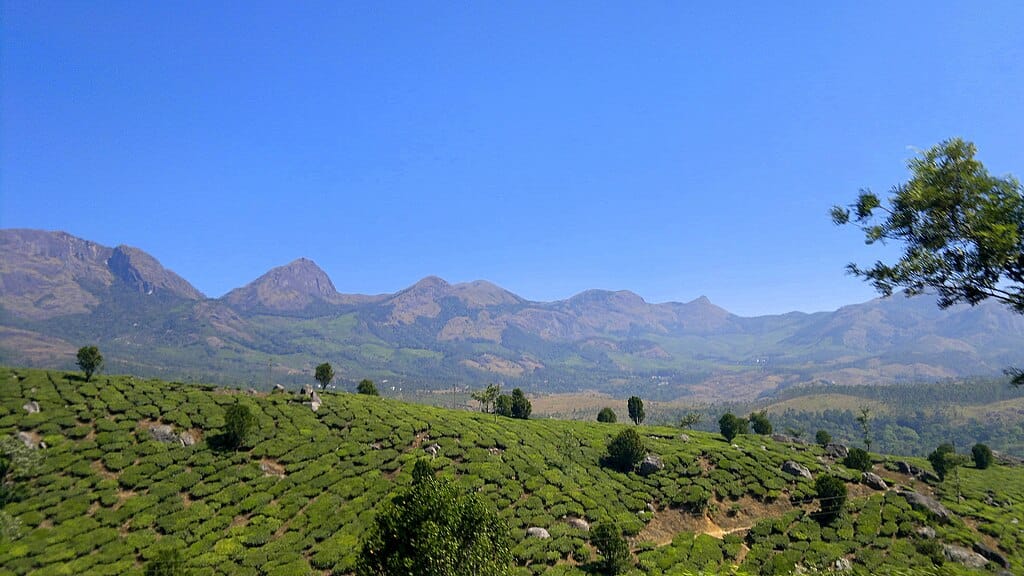
In simple terms, Munnar sits at an elevation ranging from around 1,450 m (4,760 ft) to about 2,695 m (8,842 ft) above mean sea level. Munnar Info+1
This wide elevation range reflects both the town’s base and its surrounding high peaks, making Munnar a unique destination of varied terrain and climatic zones.
Understanding Munnar’s Elevation
Base Elevation of the Town
The town of Munnar itself is situated at approximately 1,600 m (5,200 ft) above mean sea level. Idukki District
This altitude gives Munnar its signature cool weather, with summer temperatures rarely soaring too high and winters remaining pleasantly chilly compared to India’s lowland cities.
Elevation Range Around Munnar
The surrounding region varies significantly:
Lower elevations: Around 1,450 m (4,760 ft) in the valleys and lower slopes. Munnar Info
Typical hill town elevation: Around 1,600 m (5,200 ft) above sea level. Idukki District
Higher peaks & ranges: Up to 2,695 m (8,842 ft) above sea level — especially at Anamudi Peak, the highest peak in South India. Wikipedia
This variation offers diverse landscapes — from rolling tea gardens to high altitude grasslands and protected national parks.
Why Munnar Height from sea level Matters
Climate & Weather Influence
Munnar’s elevation plays a huge role in its climate. The higher altitude keeps temperatures cool year-round: summers are refreshing, monsoon rains bring dramatic cloud cover and lush greenery, and winters can be quite cold, especially at higher elevations near the peaks. Munnar Info
These conditions make Munnar ideal for tea cultivation and attract tourists seeking a cool retreat from lowland heat.
Ecology & Biodiversity
The elevation influences the rich biodiversity found here. Munnar’s higher altitudes are home to wildlife sanctuaries like Eravikulam National Park, known for the endangered Nilgiri tahr, and unique flora like the rare Neelakurinji flower that blooms once every twelve years across the hills and grasslands. Kerala Tourism
Adventure & Trekking Appeal
Because of the varied elevation, Munnar offers excellent trekking routes and viewpoints:
Anamudi Peak — South India’s highest peak at ~2,695 m. Wikipedia
Top Station — around 1,700 m with panoramic views of the valley below. Kerala Tourism
Mattupetty — popular tourist point around 1,700 m above sea level. Kerala Tourism
These spots provide memorable hiking challenges and stunning viewpoints.
Major Peaks & Elevations in Munnar Region
Here are key elevation points that showcase the altitude diversity:
| Location | Elevation (Approx) | Notes |
|---|---|---|
| Munnar Town | ~1,600 m above sea level | Base hill station elevation. Idukki District |
| Lower hill areas | ~1,450 m | Valley slopes. Munnar Info |
| Top Station | ~1,700 m | Scenic viewpoint. Kerala Tourism |
| Mattupetty Dam | ~1,700 m | Tourist spot with lake. Kerala Tourism |
| Anamudi Peak | ~2,695 m (Highest) | Tallest peak in South India. Wikipedia |
How Elevation Influences Travel in Munnar
Best Time To Visit
Munnar’s elevation affects seasonal experiences:
✔ Winter (Dec–Feb): Cool and ideal for scenic views.
✔ Summer (Mar–May): Mild temperatures — perfect for sightseeing.
✔ Monsoon (Jun–Sep): Heavier rains create dramatic waterfalls and lush valleys.
The steady elevation ensures a cool getaway almost all year, though monsoon travel may require rain-ready planning.
Accessibility & Travel Planning
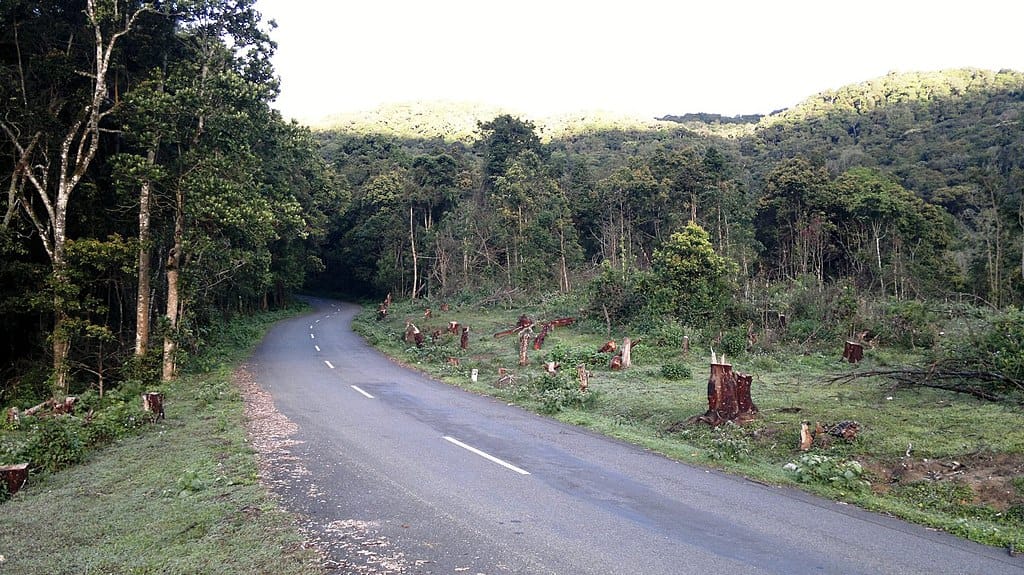
Munnar’s hilly elevation means roads are winding and scenic. Roads ascend gradually, bringing visitors up from plains and coastal regions into the elevated landscapes of Kerala’s high ranges.
Nearest transport hubs include Cochin (Kochi) International Airport and the nearest railway connections, with road travel completing the journey into the hills. Kerala Tourism
Frequently Asked Questions (FAQs)
Q1: What is the exact height of Munnar from sea level?
Munnar height from sea level varies from about 1,450 m to 2,695 m, with the town itself around 1,600 m above sea level. Munnar Info+1
Q2: Is Munnar higher than most Indian hill stations?
Munnar sits higher than many South Indian hill stations, especially compared to coastal hill towns, but some Himalayan hill stations remain taller.
Q3: How does elevation affect Munnar’s weather?
The higher altitude keeps temperatures cooler and brings frequent mist and rainfall, especially during monsoon season.
Q4: Is altitude sickness a concern in Munnar?
Generally no — most areas are below 3,000 m, so altitude sickness is rare for typical travelers.
Conclusion: Why Knowing Munnar Height Matters
Understanding Munnar height from sea level unlocks insights into its:
✔ Cool and varied climate
✔ Tea plantation ecosystems
✔ Adventure and trekking opportunities
✔ Perfect travel planning across seasons
Munnar’s elevation — a defining factor of its charm — makes it one of South India’s most compelling hill destinations. From misty mornings atop high ridges to scenic tea gardens perched on rolling hills, the height of Munnar shapes every traveler’s experience.
Whether you’re planning a romantic escape, a trekking adventure, or a rejuvenating break, knowing the elevation dynamics adds depth to your journey.