

Coorg Height from Sea Level – Ultimate Guide
What Is the Coorg Height From Sea Level?
Coorg — officially known as Kodagu — is one of India’s most beloved hill destinations. Its charm isn’t just in lush coffee estates and rolling hills, but also in how it rises above the plains, creating a cool and refreshing highland climate. When people ask “What is Coorg height from sea level?” they’re usually referring to how elevated the region is — which directly influences weather, scenery, activities, and travel planning.
In simple terms, Coorg height from sea level ranges from roughly 900 metres to more than 1,700 metres depending on where you are in the district. Coorg Cliffs Resort & Spa+1
Elevation of Coorg: A Detailed Look
Average Elevation of the District
Coorg is primarily a highland region located on the eastern slopes of the Western Ghats. The general elevation ranges between 900 metres (3,000 ft) and 1,750 metres (5,740 ft) above sea level. Coorg Cliffs Resort & Spa+1
Lowest points: Around 900 metres (3,000 ft) above mean sea level — often in eastern foothill areas. Coorg Cliffs Resort & Spa
Average hill region: Most inhabited and plantation areas fall between 1,000–1,300 metres. Karnataka Science Council
Highest reaches: Peaks and high ridges go up to 1,750 metres (5,740 ft). Coorg Cliffs Resort & Spa
This altitude makes Coorg a classic hill-station climate zone — cool summers, misty winters, and rich rainfall during monsoons.
Why Coorg Height from Sea Level Matters
Coorg height from sea level is not just a number. It impacts:
Climate & Weather Patterns
Higher elevation means cooler temperatures year-round compared to lowland cities like Bengaluru or Mysore. This is why Coorg stays pleasant even in summer. Its elevation also contributes to heavy monsoon rainfall — a major reason for its dense forests and coffee plantations.
Biodiversity & Ecosystem
Coorg’s altitude places it in a Western Ghats biodiversity hotspot — one of the world’s richest ecological zones. The altitude gradient supports unique flora and fauna, with rich forests at higher elevations giving way to plantations and valleys below. Wageningen University & Research eDepot
Adventure & Trekking Opportunities
From easy nature walks to challenging hill climbs, Coorg’s elevation diversity makes it a trekking destination. Higher altitudes like Tadiandamol and Pushpagiri offer some of the best panoramic views in southern India.
Photography & Landscapes
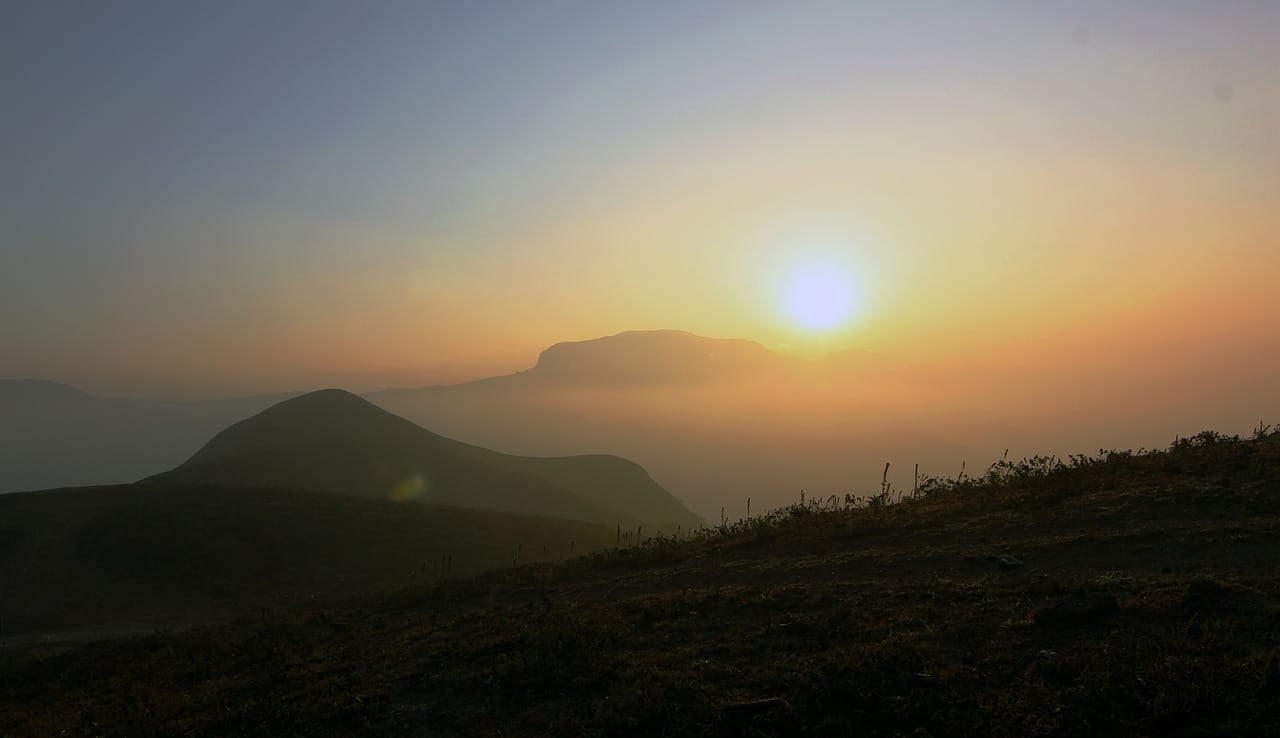
The elevation creates dramatic vistas — mists rising from valleys, layered hill chains, and cool sunrise views that photographers and travellers adore.
Coorg’s Major Peaks and Their Heights
Here are the key high points that define Coorg’s topography:
Tadiandamol — Highest Peak
Elevation: ~1,750 metres (5,740 ft) above sea level.
This is Coorg’s tallest mountain and popular among trekkers. Coorg Cliffs Resort & Spa
Pushpagiri — Second Highest
Elevation: ~1,715 metres (5,627 ft).
A rugged peak in the Western Ghats, perfect for adventure seekers. Wikipedia
Brahmagiri Hills
Elevation: ~1,608 metres.
Rich in forests and biodiversity, with sacred sites like Talakaveri nearby. Wikipedia
Madikeri Hill Town
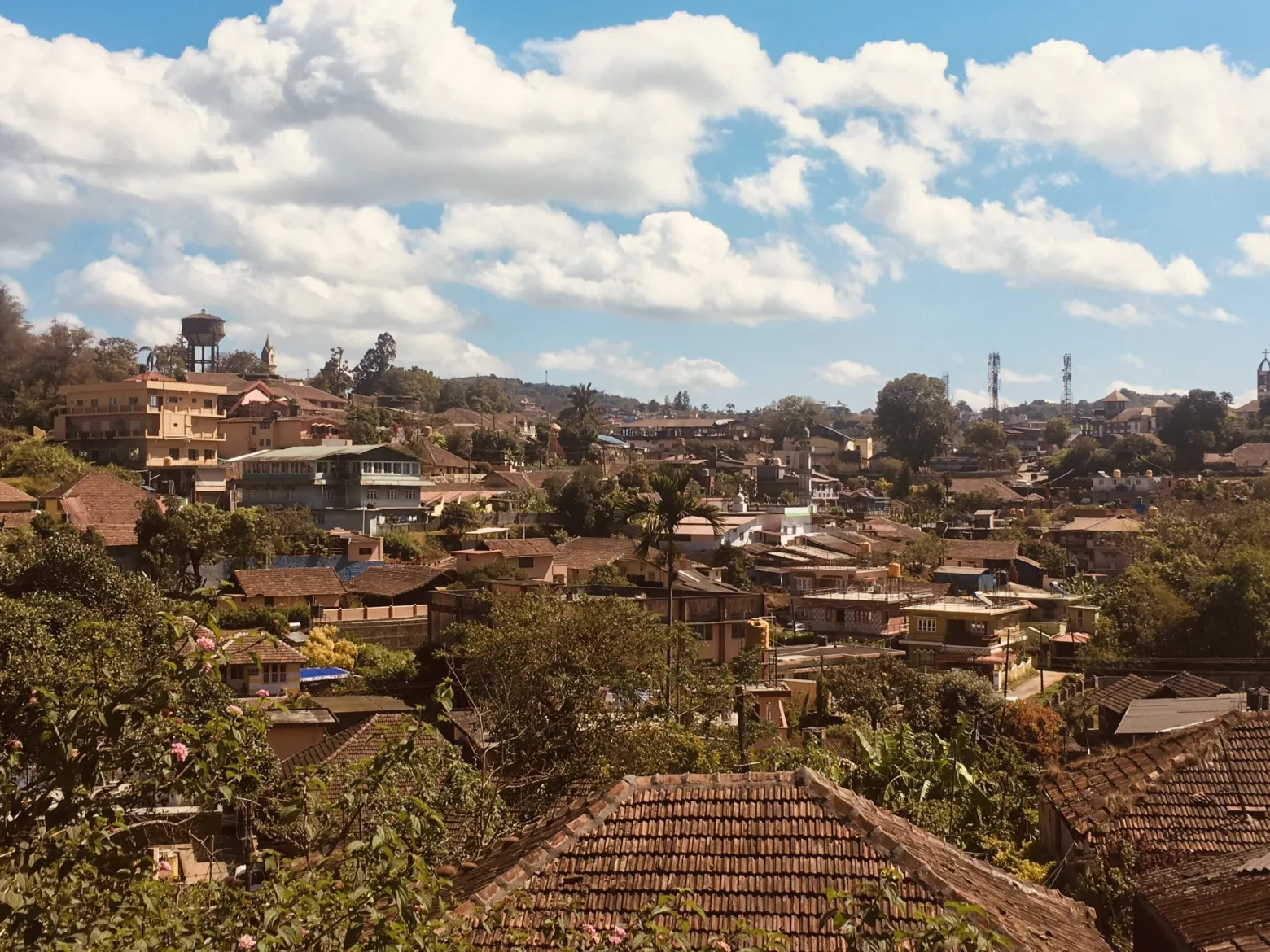
Though not a peak, the administrative headquarters Madikeri sits at around 1,170 metres (3,840 ft) above sea level — a good representation of the typical Coorg hilltop town elevation. Kodava Clan
Coorg Towns & Elevations (Approximate)
| Location | Elevation (Approx) | Notes |
|---|---|---|
| Madikeri | ~1,170 m | Heart of Coorg tourism & culture. Kodava Clan |
| Virajpet region | ~900–1,000 m | Southern foothill areas with warmer climate. Karnataka Science Council |
| Somwarpet region | ~1,150–1,300 m | Coffee and spice plantations. Karnataka Science Council |
| Tadiandamol Peak | ~1,750 m | Highest point in Kodagu. Coorg Cliffs Resort & Spa |
| Pushpagiri Peak | ~1,715 m | Known for trekking views. Wikipedia |
How Elevation Affects Travel & Tourism
Best Time to Visit Coorg
Winter (Dec–Feb): Cool and pleasant due to high altitude.
Summer (Mar–May): Warm but still much cooler than plains.
Monsoon (Jun–Sep): Heavy rains enhance greenery and waterfalls.
Because of elevation, every season offers something unique — from misty mornings in winter to emerald landscapes in monsoon.
Accessibility & Roads
Coorg’s slopes and elevations mean winding roads. Most travellers reach Coorg via road from Bengaluru, Mysore, or Mangalore, experiencing noticeable elevation gain on the journey.
Activities Linked to Elevation
Trekking: Tadiandamol, Pushpagiri.
Nature walks & birding: Mid-elevation forests.
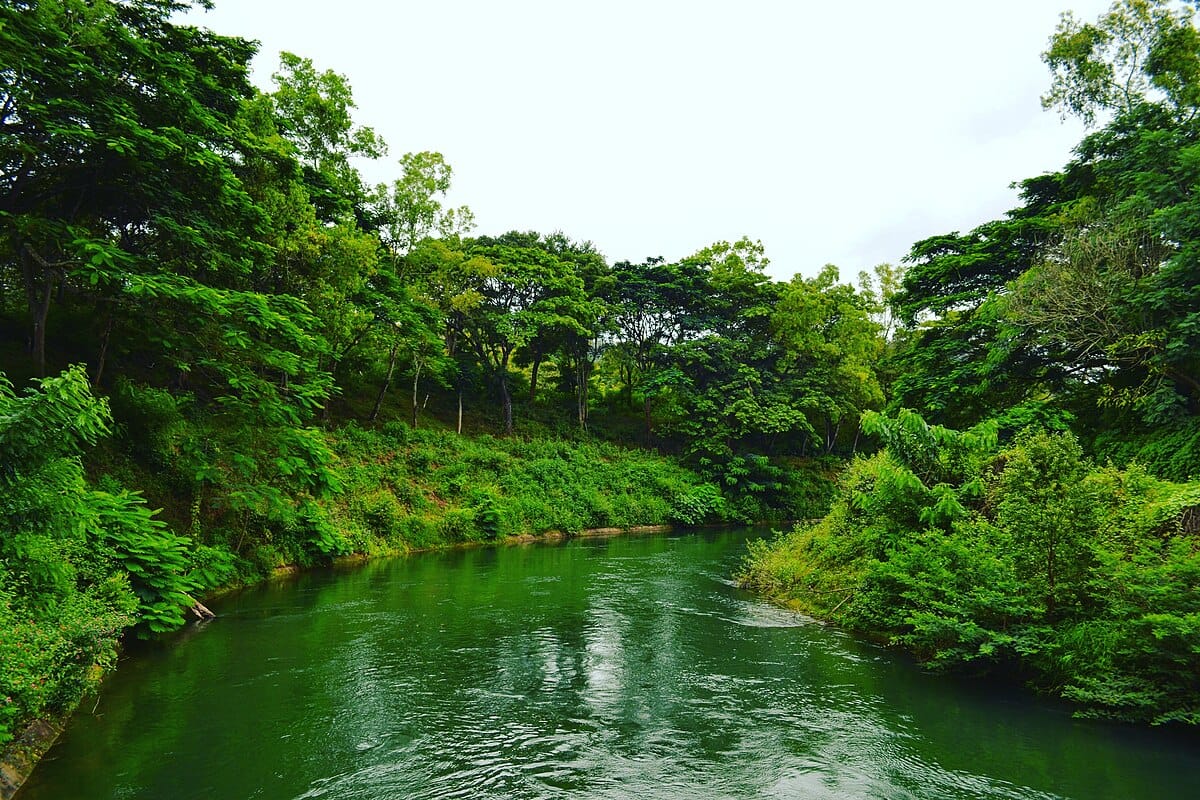
Waterfalls & rivers: Elevated terrain creates strong streams and falls.
Frequently Asked Questions (FAQs)
Q1: How high is Coorg overall from sea level?
Coorg’s general elevation lies between 900 metres and 1,750 metres above sea level, depending on location. Coorg Cliffs Resort & Spa
Q2: Is Coorg cooler than Bengaluru because of elevation?
Yes. Coorg’s elevation makes it consistently cooler than lowland cities like Bengaluru or Mysore.
Q3: What does elevation mean for climate?
Higher elevation generally means lower temperatures, more rainfall, and unique biodiversity.
Q4: Does elevation affect fitness/tour planning?
Most visitors don’t face altitude sickness in Coorg, as even the highest areas (under 2,000 m) are moderate elevations.
Conclusion: Why Knowing Coorg’s Height Matters
Understanding Coorg’s height from sea level isn’t just geography trivia — it’s essential for travellers, photographers, nature lovers and adventurers. The elevation defines Coorg’s:
– Cool highland climate
– Scenic landscapes & biodiversity
– Adventure and trekking opportunities
– Coffee-estate culture and terrain
– Tourist experiences throughout the year
If you’re planning a trip from Bengaluru, Mysore or anywhere in South India, appreciating Coorg’s elevation landscape will help you plan better — from what to pack, to where to hike, and when to visit. Every metre above sea level in Coorg tells a story of misty hills, rich forests, and unforgettable views.
Bengaluru Weather Live Updates : Heavy rain disrupts flight services in the city